
For New Gardeners
Your Garden Starts Here
You don't need to know everything before you begin. Gardening is a series of small, manageable steps — and every gardener started exactly where you are right now.

The Beginner's Path
Gardening, one step at a time
We've broken starting a garden into seven simple steps. Take them in order, or jump to whatever you need right now. Each step links to deeper guides and resources when you're ready for more.

Choose How You'll Grow
Before you plant anything, decide where your garden will live. The three most common options for beginners:
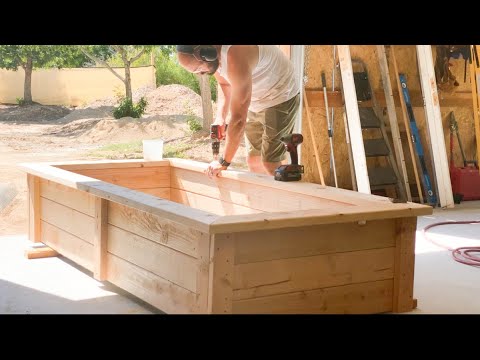
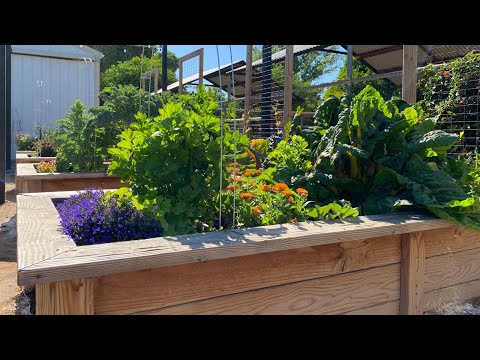
- Raised beds — Easy to build, great soil control, less bending. Ideal if your native soil is poor.
- Containers — Perfect for patios, balconies, and small spaces. Tomatoes, peppers, and herbs grow well in pots.
- In-ground — The most affordable option if you have decent soil and a sunny spot.
You don't need a big space. A single 4×8 raised bed or a few containers can grow a surprising amount of food.
Build a Raised Bed
Set Up Your Growing Space
Wherever you choose to grow, three things matter most:
- Sunlight — Most vegetables need 6–8 hours of direct sun. Watch your yard for a day to find the sunniest spot.
- Water access — Your garden should be close to a hose or spigot. Carrying water gets old fast.
- Size — Start smaller than you think. A garden you can manage beats a big one you can't.

Start With Good Soil
Good soil is the single biggest factor in whether your garden succeeds. You can't grow great food in poor dirt.
For raised beds, use a blend of topsoil, compost (about 30–40%), and aeration (perlite, vermiculite, or lava rock). Skip the bagged "garden soil" alone — it compacts and drains poorly.
Use our soil calculator to figure out exactly how much of each ingredient you need for your bed size.

Make Watering Simple
Consistent watering keeps plants alive and productive. The goal is simple: evenly moist, not soggy or bone dry.
- By hand — Fine for a small bed or a few containers. Water at the base of plants, not the leaves.
- Drip irrigation — The easiest way to water a raised bed. Delivers water to the roots, saves water, and can go on a timer.
A basic drip system costs less than you might think and takes an afternoon to set up.
Set Up Drip IrrigationDecide What to Plant
This is the fun part — but don't overthink it. A few principles will help you choose crops you'll actually enjoy and succeed with.
01
Grow what you eat
If your family loves tomatoes, grow tomatoes. If nobody likes eggplant, skip it.
02
Match your season
Cool-season crops (lettuce, peas) grow in spring and fall. Warm-season crops (tomatoes, peppers) need heat.
03
Check your climate
Your USDA zone tells you what survives winter and when to plant. Here in Arizona (Zone 9b), we grow nearly year-round.
04
Start small
4–6 crops is plenty for a first garden. You can always expand next season.
Plant Something
You've set up your space, built your soil, and chosen your plants. Now plant them. Follow the spacing on the seed packet or plant label — crowded plants don't grow well.
Water them in gently, give them a day or two to settle. That's it. You're gardening.
Browse Growing Guides
Keep It Growing
Plants need ongoing care, but it doesn't have to be complicated.
- Water regularly — Check soil with your finger. If it's dry an inch down, it's time to water.
- Feed occasionally — A handful of compost or a liquid fertilizer every few weeks keeps plants productive.
- Watch for pests — Bugs happen. The sooner you spot them, the easier they are to manage.
- Don't panic — Every gardener loses plants. It's part of the process, not a sign you failed.


Watch & Learn
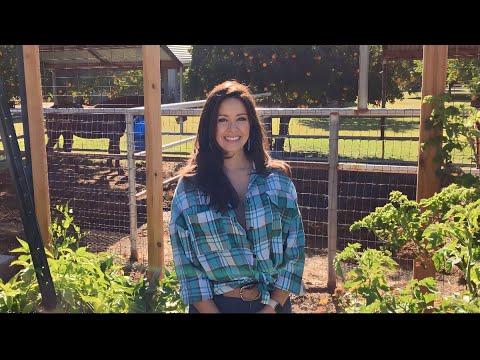
See it built, then build it yourself
Keep It Simple
What you actually need
You don't need to buy everything at once. Here's the short list — enough to grow a real harvest. Everything else can come later.
A growing space
One raised bed or a few containers
Good soil
A quality soil blend (see Step 3)
Seeds or transplants
Start with transplants for easier crops
A watering can or hose
Or a simple drip system (Step 4)
Basic tools
A trowel, gloves, and maybe a pair of pruners

The Garden Club
Grow with us
Join the newsletter for seasonal tips, new guides, and free resources — sent now and then, never spam.
- Seasonal planting reminders
- New garden guides & resources
- Fresh recipes from the harvest
- Practical YouTube videos
Ready to Start?
You've got the path. Now pick your next move.
Every garden starts with a single step. Choose where to go next — and come back whenever you need help along the way.